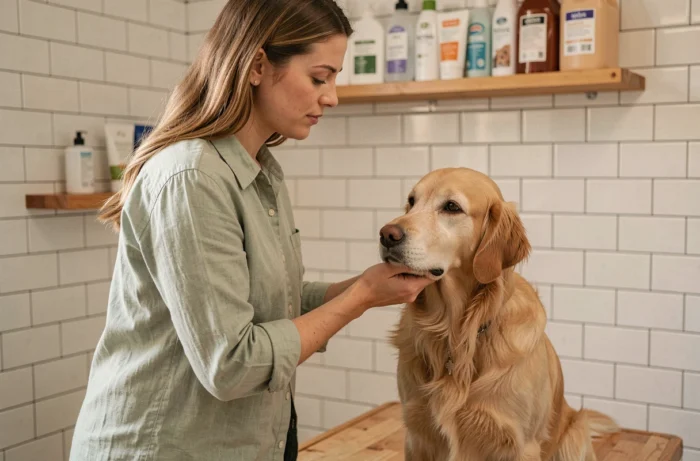
A dog scratching frantically after every walk in the woods, a cat whose breath becomes hard to bear: these everyday situations often reveal a lack of regular care rather than a serious pathology. The best care for a pet is not limited to annual veterinary visits. It relies on a routine of observation and simple gestures, tailored to the species, age, and lifestyle of the animal.
Oral hygiene for dogs and cats: an often neglected aspect
We instinctively think of brushing fur, but rarely of brushing teeth. However, a dog’s or cat’s mouth accumulates tartar which, without intervention, promotes periodontal diseases. Inflamed gums, loose teeth, pain while chewing: the consequences are real and directly affect the quality of life.
Regular dental brushing with a product suitable for animals remains the most effective preventive measure. For reluctant dogs, chew sticks or specially designed bones help limit plaque buildup. For cats, dental treats are available, but their effectiveness varies depending on the brands and the animal’s cooperation.
When tartar is already well established, among the care options on La Fibre Câline are suggestions for identifying products suitable for each situation. A veterinary scaling may also be necessary, especially for small dog breeds that are more prone to it.
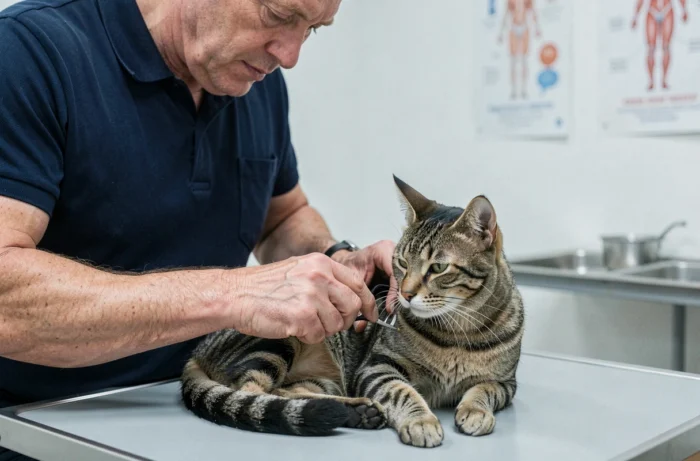
Parasite prevention: adapting treatment to lifestyle
Fleas, ticks, intestinal worms: parasite prevention forms a standalone pillar of daily care, not just a seasonal gesture. An animal living in an apartment without outdoor access has different needs than a hunting dog or a cat that goes out at night.
External parasites: fleas and ticks
Anti-parasitic treatments (spot-ons, collars, tablets) must be renewed according to a precise schedule. A few weeks of forgetting is enough for an infestation to establish itself, especially in dense urban areas where contact between animals is frequent.
- Inspect the coat after each walk, paying special attention to the ears, neck, and the space between the pads, to spot ticks and grass seeds
- Treat all animals in the household simultaneously, even those that seem spared, to avoid cross-reinfestations
- Regularly wash cushions, beds, and blankets where flea larvae can survive for several weeks
Intestinal worms
Worming follows a different schedule depending on the age of the animal. Puppies and kittens require more frequent treatments than adults. A veterinarian can recommend an appropriate frequency based on exposure (outdoor access, contact with other animals, presence of children in the household).
Monitoring journal: spotting weak signals before they become emergencies
Health problems are often noticed when they are already well advanced. A gradual change in appetite over two weeks goes unnoticed if not recorded anywhere. This is where a monitoring journal becomes meaningful.
The idea is simple: jot down a few quick observations, two or three times a week. Appetite, thirst, stools, activity level, any limping. This regular record allows for spotting a health drift long before it becomes visible to the naked eye.
During the veterinary visit, these notes become a valuable tool. Saying “he’s been drinking more for three weeks” is much more useful than “it seems to me that he’s drinking more.” Feedback on this point varies among practitioners, but most agree that a written history facilitates diagnosis.

Domestic hygiene and animal health: what happens around the bowl
The immediate environment of the animal plays an underestimated role in its health. Daily cleaned bowls reduce bacterial proliferation that can cause digestive disorders or skin infections around the chin (feline acne, for example).
The points to monitor go beyond the bowl:
- The cat’s litter box should be cleaned at least once a day and completely changed every week to limit infectious and zoonotic risks
- Beds and sleeping areas accumulate hair, dander, and parasites: a wash every two weeks maintains an acceptable level of hygiene
- Washing hands after handling the animal or cleaning its waste remains a basic gesture to protect household humans, especially children and immunocompromised individuals
After each swim in the sea, lake, or river, rinsing the animal with clear water prevents skin irritations related to salt, algae, or bacteria present in the water.
Adapting care to the context: heat, apartment living, aging animals
A fixed care protocol does not work. The needs of an animal change with its age, the season, and its environment. During periods of extreme heat, a brachycephalic dog (bulldog, pug) requires increased vigilance regarding hydration and ventilation. An apartment cat without stimulation is more likely to develop stress or obesity than a cat with outdoor access.
For aging animals, the frequency of veterinary visits naturally increases. Joints, vision, and hearing deteriorate, and certain daily care (gentler brushing, appropriate diet, access adjustments) become necessary without a formal diagnosis imposing them.
The best daily care remains attentive observation. An owner who knows their animal’s normal habits detects an anomaly more quickly than a veterinarian who sees it once a year. Technical gestures, anti-parasitic treatments, dental brushing, and domestic hygiene do not replace this attention, but they effectively complement it.