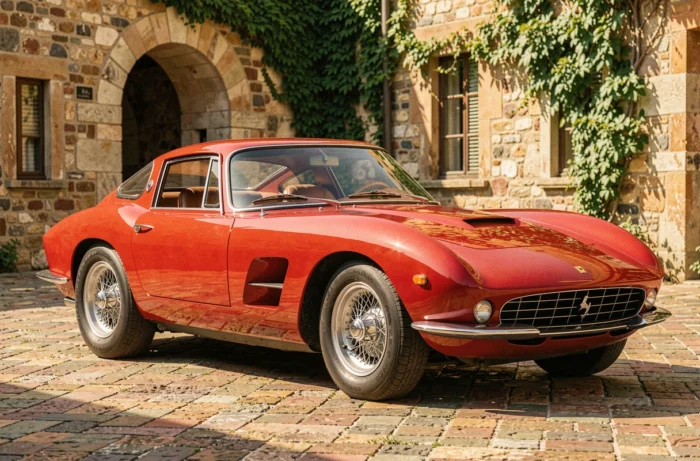
Which classic and sports car models truly deserve attention in 2026? The market is undergoing a restructuring phase: the auction sales of vintage vehicles are declining in overall volume, while models over 16 years old, not always labeled as “collectible,” are gaining ground. This shift towards more contemporary automobiles is reshaping the landscape of models to watch.
Market Evolution of Classic Cars: What Auction Sales Reveal
The CMV 2025 analysis on auction sales in France highlights a significant drop in the total amount of classic vehicle sales. Post-war models and sports cars from the 1960s, which have long been supported by strong demand, are seeing their auction prices plateau or decline in certain segments.
At the same time, vehicles over 16 years old that do not fall under the strict definition of collectible are progressing. This shift reflects a change in buyer profiles: new entrants to the market prefer accessible models, often sports cars from the 1990s and 2000s, to the detriment of classic icons whose entry prices remain high.
To keep up with the latest available models and spot opportunities, specialized platforms like otopassion.fr allow users to compare listings and assess the value of many vintage and sports vehicles.
Comparison of Iconic Models: Value, Rarity, and ZFE Circulation
Three criteria structure the choice of a classic or sports car today: market value, number of units produced, and the actual possibility of daily driving, especially in low-emission zones.
| Model | Production Years | Units Produced | Value Trend | ZFE Circulation |
|---|---|---|---|---|
| Shelby 427 Cobra | 1962-1966 | Fewer than 360 units | Stable (very high-end) | Exempt with collector’s registration |
| Jaguar Type E | 1961-1975 | Wide distribution | Slightly declining | Exempt with collector’s registration |
| Alpine A110 (original) | 1962-1977 | Medium distribution | Marked increase | Exempt with collector’s registration |
| Porsche 911 (type 964/993) | 1989-1998 | Wide distribution | Stabilization after sharp rise | Exempt under conditions |
| Fiat 500 (original) | 1957-1975 | Very wide distribution | Stable | Exempt with collector’s registration |
This table highlights a clear gap. Models with very low production like the Shelby Cobra maintain a high value but remain inaccessible for most collectors. In contrast, the original Alpine A110 is experiencing a significant increase in value despite wider distribution, driven by a growing enthusiasm for lightweight French sports cars.
ZFE and Collector’s Registration: A Determining Criterion
Classic articles on beautiful classic cars often overlook a central point: the actual ability to drive in major French cities. With the tightening of low-emission zones between 2025 and 2026 and automated fines, owning a vintage vehicle without collector’s registration exposes one to severe restrictions.
Vehicles registered with a collector’s registration benefit from a Crit’Air exemption, but only under local conditions. Each metropolis applies its own rules. A model exempt in Lyon may face temporary restrictions in Paris during pollution peaks.
Conditions to Check Before Buying a Vintage Car
- The vehicle must be over 30 years old and in a condition consistent with its production era, without major modifications to the engine or bodywork
- The collector’s registration limits daily use: technical inspections are spaced out, but insurance and use must correspond to leisure use
- Local ZFE rules evolve each year, necessitating verification of the regulations in each city crossed
This regulatory framework directly impacts value. A model that can be easily registered as a collector retains its value better than a vehicle whose status remains unclear or disputable.
Sports Cars from the 1990s-2000s: The New Playground for Collectors
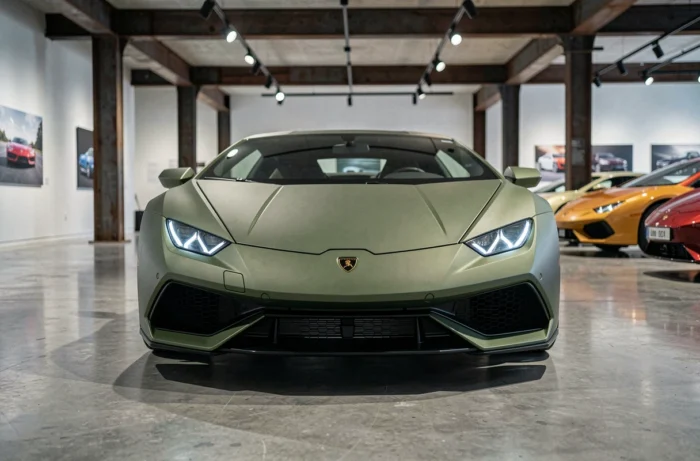
The market shift towards newer models is not merely a trend. Sports cars produced between 1990 and 2000 have several concrete advantages over post-war classics.
Their mechanical reliability is superior. Spare parts remain available, sometimes still in the manufacturer’s catalog. And their design, now over 25 years old, is beginning to evoke the same nostalgia as models from the 1960s did two decades ago.
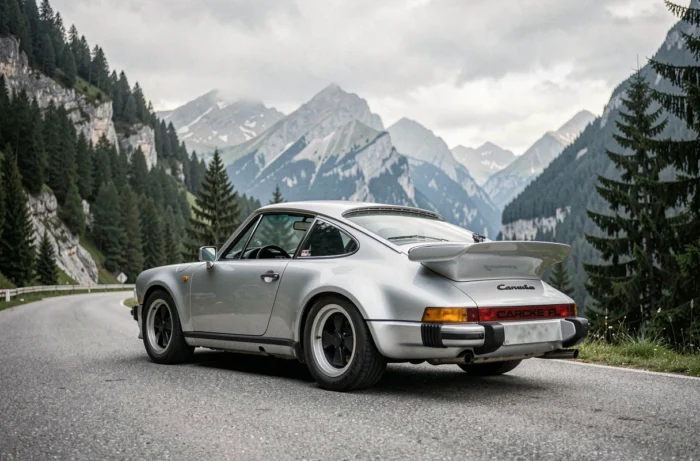
The Porsche 911 type 993 (1993-1998) exemplifies this dynamic well. The last air-cooled 911, it has seen a spectacular increase in value before stabilizing recently. Other less publicized models are following the same trajectory: certain BMW M3 (E36), Honda NSX, and Lotus Elise S1 are regularly seeing their acquisition prices rise.
Why These Models Attract a New Buyer Profile
Collectors aged 35 to 50 are buying the cars of their youth. This generational phenomenon, already observed with American muscle cars in the 2000s, is repeating itself with Japanese and European sports cars from the 1990s.
Financial accessibility also plays a role. While a Ferrari F40 or a Lamborghini Miura requires multi-million euro budgets, a well-maintained sports car from the 1990s can be acquired for a fraction of that amount, while still offering comparable driving pleasure on open roads.
The classic and sports car market is no longer limited to a fixed list of mythical models. The key data remains the growing gap between inaccessible icons and recently rising sports cars. Models that combine confirmed collector status, available parts, and the right to drive in ZFE are currently concentrating the bulk of active demand.